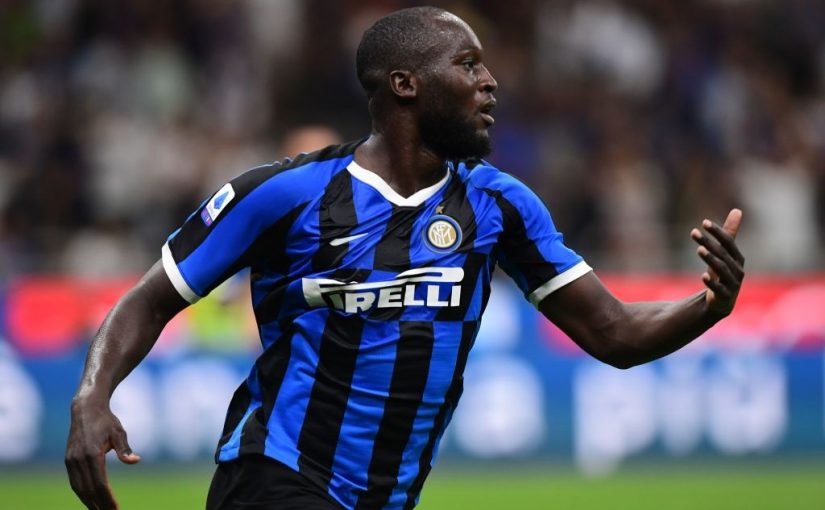
Romelu Lukaku has spoken on a range of topics in an interview with Rolling Stone Italia, starting with his Congolose ancestry.
“I am proud of my Congolese roots. I am a proud Congolese Belgian. I am very proud of my origins, of the place I come from. At home with my mother I speak the language of my parents, lingala, and sometimes even with my son. It is very important for me to keep my roots alive and not forget where I come from,” he began the interview.
Lukaku then went on to explain his bowing celebration after his first goal for the club in his debut against Lecce.
“Ever since I signed for Inter, there were really a lot of people excited by the idea of my arrival. They contacted me, sent me direct messages on Instagram, when I arrived in Milan for the first time from Brussels there was a lot of people who were there for me. They immediately encouraged me and chanted my name. With that gesture, I simply wanted to thank them for the support they have given me since I was here.”
He then spoke on why he wanted to join Inter.
“Inter was the club I wanted to play for in Italy and the coach was an important factor in my choice, besides the fact that I knew the team had some excellent players. From a family point of view it was a good choice, because my brother is already here. I think Italy is a nice place to live, I am a person who likes to discover different cultures. I am very happy to be here.”
The Belgian international then discussed Inter’s ‘Not For Everyone’ motto.
“In my opinion the slogan is perfect for the club, because the Inter fans are extremely loyal, and it’s not something for everyone. The support for these colours is handed down from generation to generation: every game the stadium is full, always the same people in the same seats, and it’s great to be part of everything, a club loved so sincerely by its people.”
He then touched upon racism in Italian football in the interview, which was conducted just before he was subjected to racist abuse against Cagliari.
“I think it was a great thing for the club to launch a campaign like BUU – Brothers Universally United. If they want my contribution, I’ll give it to them. If I hear racist chants, I’ll answer.
“I do not think a player should ever leave the field but I think that they have got to take a stand because racism is something that needs to be answered to. Football is something international and multicultural, if you really want to attract the best players then you have to welcome them with open arms because in turn, the athletes have to adapt to the culture they come into. It is essential not to discriminate and simply appreciate what a player brings.”


Live Comments
Welcome to our Live Comments section, where new comments will appear automatically
Add a Comment