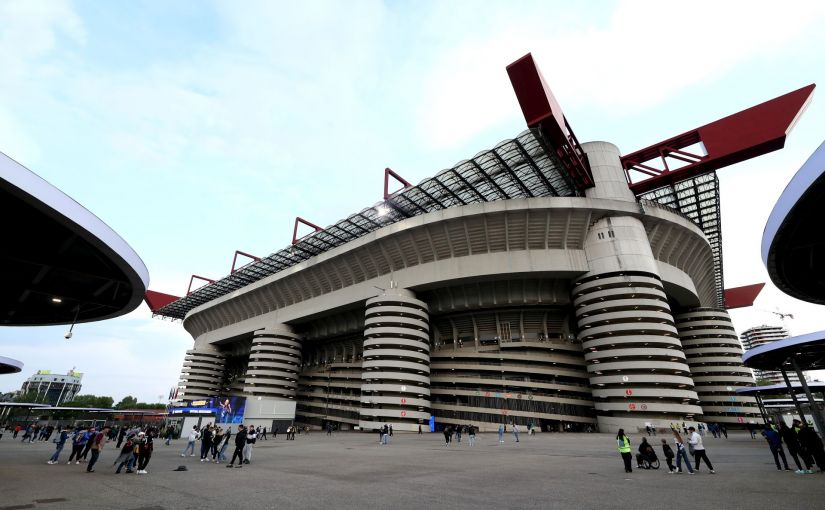
Inter Milan’s long-term trajectory hinges on evolving its home base. Plans to modernise San Siro, either through a shared redevelopment or a separate new build, could profoundly alter the club’s sporting identity, revenue streams, and connection to fans.
The historic stadium’s transformation is not only an architectural challenge but also a question of governance, planning, and financial discipline.
How Inter navigates these issues will determine whether its next decade is dominated by nostalgia or by a sustainable vision rooted in contemporary football economics.
Digital Parallels In Stadium Innovation
Innovation in fan engagement increasingly follows patterns seen across new digital ecosystems, where secure transactions and fluid interfaces shape user expectations.
Modern stadiums now integrate data-driven tools, encrypted ticketing, and real-time crowd analytics to streamline every step of the live experience, from entry to concessions.
These upgrades echo many of the same principles emerging in next-generation entertainment platforms. In particular, the rise of anonymous sports betting shows how blockchain wallets, privacy-focused authentication, and contactless payment systems can enhance transparency and user freedom without slowing down the interaction.
The emphasis on speed, security, and autonomy in those environments reflects exactly what fans expect when navigating a modern venue.
As these technologies continue to converge, sports institutions are likely to adopt similar standards of privacy, payment efficiency, and user control, principles poised to define the fan experience in a renewed San Siro.
Balancing Heritage With Necessity
The San Siro remains one of world football’s most recognizable landmarks. Its concrete pillars, vast tiers, and iconic towers have become synonymous with Milanese culture. Yet, heritage must coexist with modern necessity.
Structural reports have long indicated challenges in compliance, sustainability, and maintenance costs. Balancing preservation with renewal thus demands a pragmatic approach, one that allows spectators to relive tradition without sacrificing comfort or safety.
The city council faces pressure from heritage groups and environmental planners, creating a decision-making process as political as it is architectural. Preserving the emotional legacy while upgrading functionality could serve as a test model for other European cities confronting similar dilemmas.
The Financial Equation Behind San Siro Redevelopment
For Inter, the arithmetic of stadium modernisation extends far beyond construction budgets. Revenue diversification has become the lifeblood of competitive clubs, where matchday income interacts with global broadcasting and merchandise lines. A renovated San Siro could enhance yield per seat, host year-round events, and attract more corporate sponsorships.
However, rising interest rates, inflation, and construction costs shift feasibility scenarios. Inter’s executives are thus faced with designing a financing mechanism resilient to macroeconomic turbulence.
Whether through private investment, municipal partnerships, or naming-rights arrangements, the club’s capacity to maintain flexibility will determine how rapidly the project materialises. Each model carries distinct risks in terms of ownership, control, and long-term maintenance responsibilities.
Architectural Possibilities & Environmental Goals
Early drafts for a renewed stadium tend to converge on sustainability. That includes energy-efficient lighting, intelligent water use, and materials sourced from low-carbon production chains. Some prototypes integrate rooftop gardens or panels to reduce thermal dispersion. Environmental certification frameworks demand more than symbolic gestures, they provide operational savings and compliance with European Union targets.
Architects envision a structure capable of adapting to both climate demands and evolving spectator habits. Modularity, acoustics, and digital connectivity rank among design priorities.
A new San Siro, or an extensive retrofit, might thus serve as a showcase of green engineering. Achieving these ambitions, however, will require both funding discipline and proximity to civic energy networks.
Inter Milan Fan Experience & Global Brand Narrative
Supporters remain at the heart of Inter’s legacy and future. Whether attending matches or engaging remotely, fans now expect seamless interaction, from purchasing a ticket online to accessing in-seat services.
Upgrading San Siro means aligning physical space with digital storytelling. Big screens and immersive audio, improved Wi-Fi, and personalized retail can turn a matchday into an integrated journey. Beyond comfort, these enhancements reinforce brand loyalty at a global scale. Streaming platforms and metaverse experiences further connect Inter to audiences in Asia, North America, and Africa.
A redesigned stadium could act as a launchpad for fan data analytics, enabling the club to understand audience behavior while creating tailored membership experiences across languages and cultures.
Urban Integration & Mobility Solutions
The debate surrounding San Siro also concerns its place in Milan’s broader urban strategy. Redevelopment would need to account for public transport upgrades, traffic distribution, and local housing impact.
The municipality has proposed intermodal hubs connecting metro lines and tram routes directly to stadium entrances. Parking restrictions and cycle lanes could encourage sustainable commuting. For residents of the San Siro district, minimizing noise, congestion, and displacement is as critical as football itself.
Coordinating stakeholders, from transport agencies to civic associations, will shape the effectiveness of any final plan. If managed with foresight, the project may stimulate urban regeneration rather than gentrification, linking sports architecture to community well-being and social mobility.
The Roadmap Toward Long-term Competitiveness
Modern infrastructure is increasingly tied to on-pitch performance. Clubs equipped with versatile stadiums can reinvest earnings into youth academies, data departments, and transfer strategies. Inter’s leadership understands that facilities define future budgets.
A renovated San Siro, complemented by digital partnerships, can catalyze fresh lines of income and operational agility. Yet the execution timeline and regulatory clearances will be decisive.
Transparency in procurement, environmental permits, and tendering schedules must align to prevent delays. Looking a decade ahead, success may be defined less by concrete or steel than by governance: the ability to coordinate architecture, finance, and sport into one coherent project. For Inter Milan, that synthesis will inform its identity well into the 2030s.



Live Comments
Welcome to our Live Comments section, where new comments will appear automatically
Add a Comment